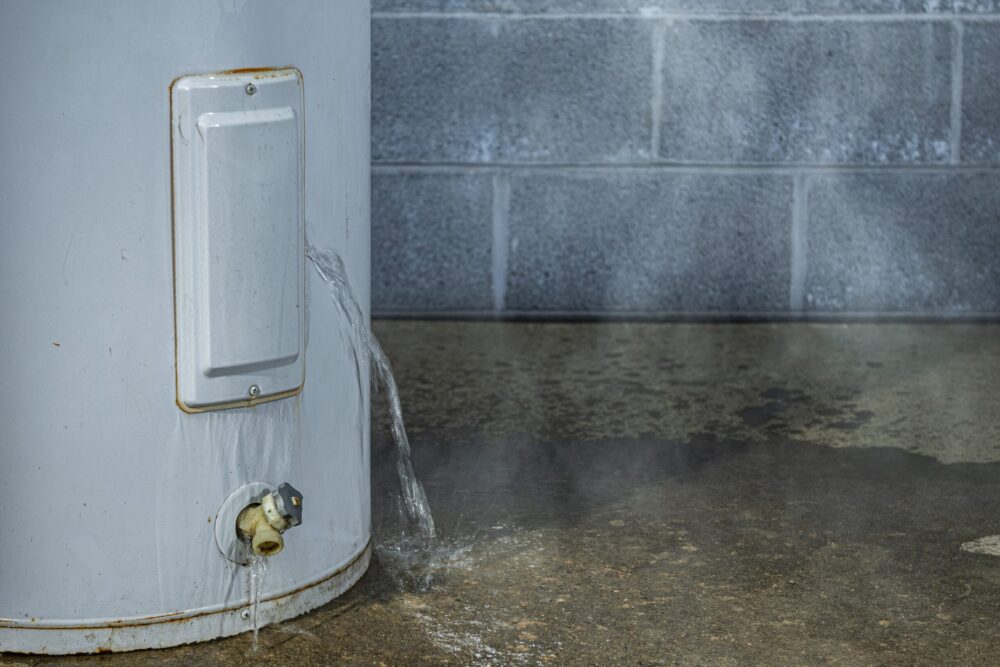
A water heater failure in Baton Rouge always feels like it shows up uninvited. One minute, everything is calm. The next minute, you hear a strange drip or spot a puddle creeping across the floor. For water heaters in Baton Rouge, Denham Springs, Prairieville, and beyond, that puddle becomes a problem fast because moisture sticks to surfaces in this climate.
Our water heater guide gives you clear steps that help you take control, protect your home, and avoid the long list of issues that follow a water heater leak.
3 Common Causes of Water Heater Failure
1. Corrosion and Age
Your water heater looks solid on the outside, but the real story happens inside the tank. Over the years, the interior lining wears down, exposing the raw metal to minerals in the water.
Heat speeds the process, which is why older tanks in Louisiana often weaken from the inside out. A tiny internal pit becomes a flaw. A flaw becomes a pinhole. A pinhole becomes a leak that reaches your flooring before you even know it started.
2. Excessive Water Pressure or Sediment Build-Up
When water pressure rises, your tank carries a load it never agreed to handle. For instance:
- High pressure pushes against the tank walls until something gives
- Sediment can create trouble
- Minerals settle on the bottom of the tank and cause the metal to expand and contract
Repeated movement weakens the tank and leads to cracks. You may not hear anything unusual, but the tank is already on its way to a leak.
3. Faulty Temperature and Pressure Relief Valves
A TPR valve protects the tank by releasing pressure. When it sticks, pressure stays inside, forcing water toward the seams. Many homeowners ignore this little valve because it looks simple, but it does some of the most important work.
A yearly test from a plumber can reveal early signs of trouble, save your tank, and save you from cleaning water out of your hallway at night.
3 Things You Can Do After Your Water Heater Fails
1. Shut Off the Water and Power Supply
As soon as you spot the leak, shut off the water. That one step stops the flow and keeps the puddle from turning into a small indoor pond. The valve above the tank usually does the job.
If it will not turn off, shut off the main water supply. Then cut the power to the heater. This lowers the risk of electrical hazards and prevents the tank from trying to heat while empty.
2. Drain the Tank Safely
Draining the tank can reduce pressure and stop water from spreading. Here’s how to do it:
- Attach a hose to the drain valve and run it to a safe outdoor area.
- Open the valve slowly and stand clear of the stream.
- If water sprays from places it should not, or if the tank looks unstable, stop draining.
When you see signs that point to more advanced water heater leak repair in Louisiana, it’s wiser to let a plumber handle the job instead of attempting a DIY effort.
3. Contact a Professional Restoration Company
Once you stop the leak, call a restoration team that handles emergency water cleanup in Baton Rouge. Why? Because water can move under the flooring in minutes. It slides into wall cavities and soaks insulation.
Humidity traps the moisture where you cannot reach it. That is why quick action matters. A professional team offers water damage restoration in Baton Rouge. They can remove standing water, dry the soaked areas, and check for hidden moisture that leads to mold and structural issues.
How to Prevent Secondary Water Damage
Dry the Affected Areas Quickly
Drying is the most important step after the leak stops. Follow these tips for drying the area quickly:
- Open windows if the weather is comfortable
- Use fans to move air across wet flooring
- Lift rugs and set them aside to avoid trapped moisture
If water reaches drywall, the surface may feel cool or soft. That means water is sitting behind the surface and needs special equipment. The humidity in Baton Rouge keeps materials wet for far longer than homeowners expect, which is why DIY drying often falls short.
Prevent Mold Growth and Odors
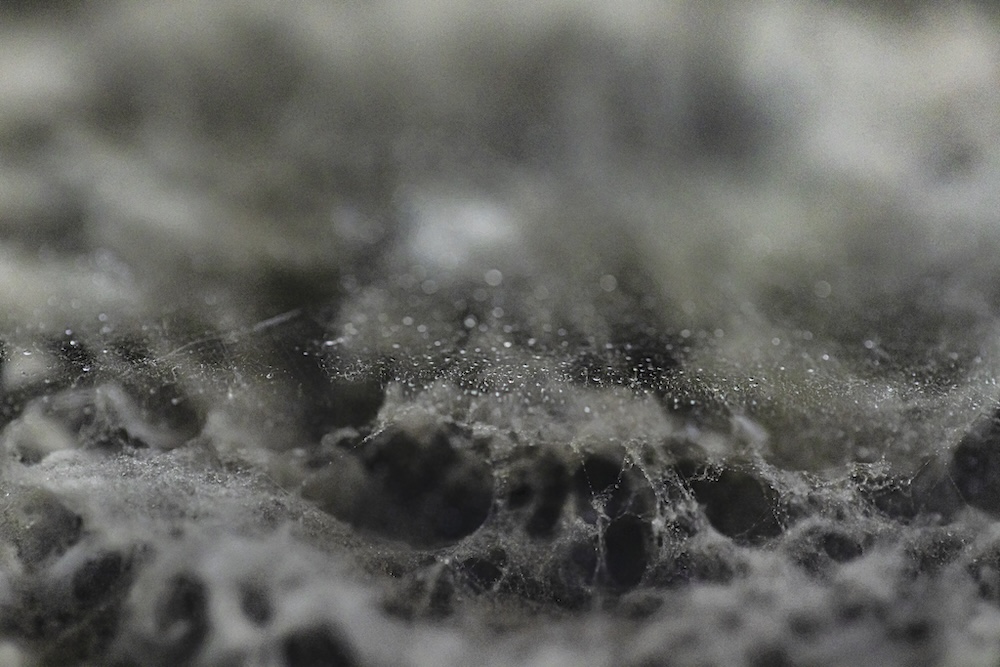
Mold begins as specks before it grows into patches. If you notice a musty smell, the process has already started. Mold spreads quickly in warm, damp homes, so you need to address the moisture early.
Many homeowners turn to professional mold removal in East Baton Rouge Parish after even small leaks, since old homes in the region absorb moisture into aged wood framing, wallpaper, and other materials. Aging HVAC systems are also more likely to leak. Mold can be hidden, staying out of sight until the infestation has already become severe.
Check for Structural or Electrical Damage
Water sneaks into places you don’t expect. It can slip under baseboards and soak the bottom edge of drywall. It can also run behind the tank and toward electrical outlets.
If you notice bubbling paint, warped floor planks, or outlets that stop working, the water has found a deeper path. A trained inspector checks each area and guides you through safe repairs.
How Paul Davis Helps With Water Damage
A water heater failure may feel chaotic, but the right team puts a system in place and calms the situation. Paul Davis of Baton Rouge responds at any hour and serves all of East Baton Rouge Parish.
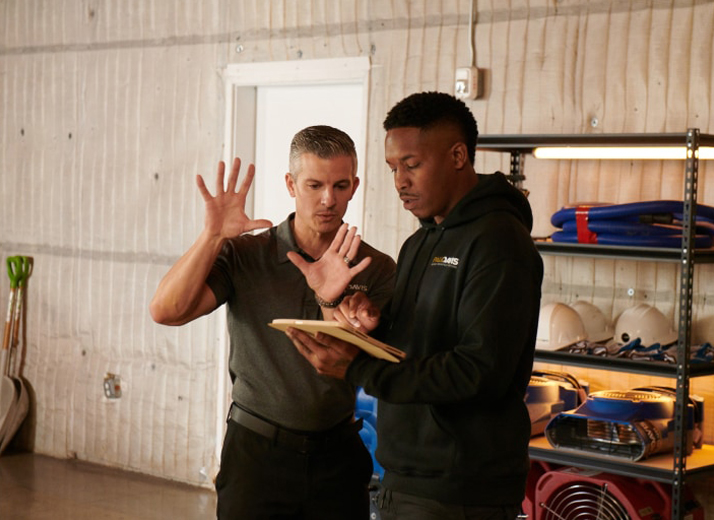
We use high-volume air movers, moisture sensors, and professional disinfectants to prevent mold, odors, and structural trouble. Acting quickly matters in the Louisiana climate because each hour of moisture raises the risk of damage inside your walls or flooring.
We guide you through each part of the process:
- We remove the water
- We dry the space
- We check hidden areas you cannot see
- We help you understand the repairs your home may need once the cleanup is complete
- We check for signs of mold and mildew growth
You can prevent future issues with simple habits. Look around the base of your tank during routine cleaning. Listen for popping sounds that point to sediment. Check valves for damp spots. If your tank is older, schedule a plumbing maintenance visit before a small problem becomes a late-night surprise.
If your water heater failed and you need help right now, contact Paul Davis for 24/7 emergency water cleanup and restoration services in Baton Rouge and a complete damage assessment.