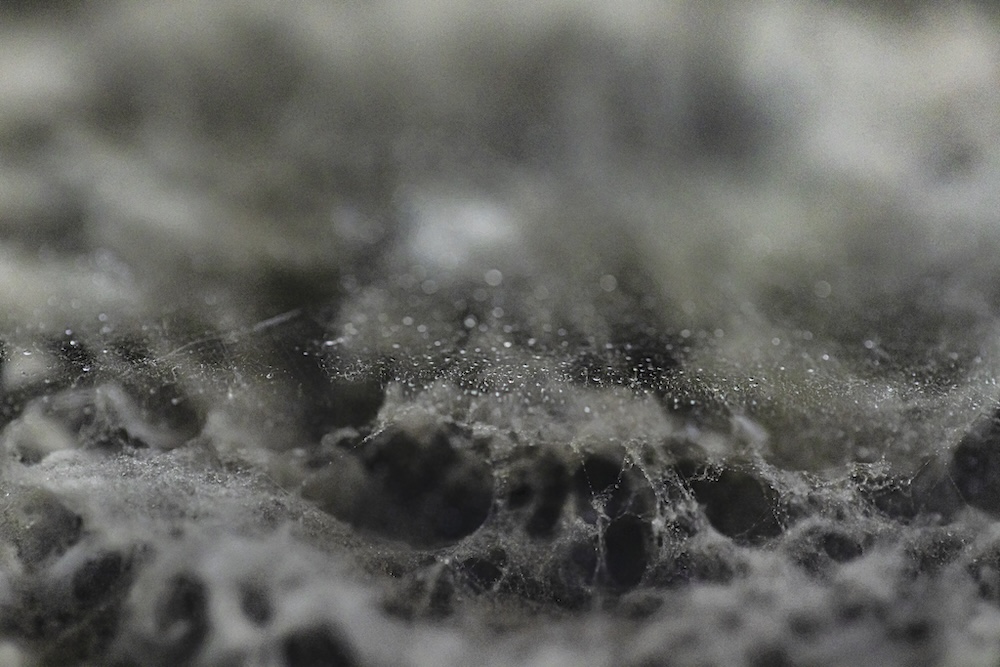
 The humidity in Louisiana can be brutal, especially from May through September. Not only is it uncomfortable, but it could also result in mold growth within your HVAC system. When you run the air conditioning, you might inadvertently send mold spores through your air ducts and the rest of your home. Should you notice a problem, you may need mold remediation services.
Invisible humidity within your HVAC system can cause a mildew or mold problem that you only notice when it has already spread to other parts of your home. Learning more about these frustrating and dangerous mold damage situations could help you make informed decisions for your Louisiana home and HVAC system.
What to Know About Louisiana’s Humidity
Louisiana experiences high humidity from May through September, and July and August are the peak months. Moisture levels are typically consistently high, which could make the outdoor air feel heavy. When homeowners don’t take proper precautions, the air indoors can feel damp and stuffy. This situation makes it difficult to maintain a cool, comfortable environment when you need it most.
How High Humidity Affects HVAC Systems
High humidity can lead to significant problems with your HVAC system, such as causing it to work harder to remove moisture from the air. If the condensate drain line is blocked, water can accumulate in the drain pan, which could contribute to mold growth. Additionally, due to excess condensation, damp conditions within the system could promote mold growth. Under the right conditions, this could start in 24 to 48 hours.
Where You Might Find Mold Within Your HVAC System
Common areas for mold in your HVAC system include the condensate drain line, drain pans, and the blower components. Mold might even form on coils or grow inside the ductwork.
One of the most surprising places for mold is on your filter. However, this is usually a preventable issue. When filters aren’t changed regularly, they become damp and dirty, which could encourage mold to grow. It’s a key reason why we recommend changing your filters every one to three months. It’s especially important to do it often if allergy sufferers or health-compromised individuals live in your home.
Warning Signs of Mold Growth in Your HVAC System
Depending on the situation, mold growth may be visible. However, not seeing it doesn’t mean it’s not there.
For example, you might start experiencing allergy symptoms, such as sneezing, coughing, watery eyes, and a runny nose. Those with asthma may have an increase in attacks. There’s one major way to differentiate if the symptoms are because of a potential HVAC mold issue or if they’re due to a cold or standard allergies. Pay attention to how you feel after you leave your home. If the symptoms seem to subside after a while, it may indicate an HVAC mold problem.
Damp or musty odors are other indicators. You’ll typically notice that odors and other symptoms are at their strongest right when the air conditioner turns on.
Tips to Prevent Mold Growth in Your HVAC System
In addition to replacing your filter regularly, there are several other steps you can take to prevent mold growth. Installing a whole-home dehumidifier is an excellent way to help maintain balanced humidity levels of 30% to 50%. It reduces moisture from the air, leading to a more comfortable and less damp environment.
Scheduling a professional maintenance appointment in the spring is also crucial. HVAC technicians can perform a comprehensive inspection and tune-up. They’ll look for potential signs of mold and other issues that could impact your system’s performance as well as your health and safety, cleaning coils and other components.
What to Do if You Notice Warning Signs
If you notice warning signs of mold, contact a mold remediation team for a thorough inspection. Considering how fast mold can spread during humid summer days in Louisiana, the problem can quickly worsen. The more widespread it gets, the more expensive it may be to treat.
We strongly advise against using your HVAC system while you suspect a mold issue. The best option is to temporarily leave your home until the problem is resolved. Remaining in your home, especially if you continue to use your AC, means you’re continuously exposed to potentially high levels of mold. This is particularly problematic for health-compromised individuals, pregnant women, kids, seniors, and pets.
Addressing the situation immediately is the best course of action. HVAC technicians may be able to remove the mold when it’s localized in areas like the air conditioner’s components. However, our team handles more widespread, serious problems.
The ductwork is one area where we might find mold growth. If this happens, it’s best to schedule an air duct cleaning. This service isn’t generally included in a standard AC inspection. Air duct cleaning goes beyond removing physical mold growth by sanitizing the ducts and improving air quality throughout the home.
DIY vs. Professional Solutions
Some homeowners may want to try to solve their mold situation on their own, hoping to save money. However, this might have the opposite effect. Mold can be extremely challenging to remove, especially as it spreads. To someone without professional training, it might seem like the mold is gone. In reality, there may be just enough mold left for it to continue growing again, and incorrect removal techniques can spread the spores even further. Letting professionals handle the situation gives you peace of mind that even invisible growth has been removed, the spores have not moved throughout the house, and your air is free of contamination.
Louisiana humidity is unavoidable. However, mold growth within HVAC systems is usually preventable. Our company provides mold remediation services to local homeowners to stop the spread of spores and eliminate the root cause.
If you suspect mold growth, call Paul Davis Baton Rouge today.