When you live in Baton Rouge, Prairieville, or Denham Springs, humidity becomes part of daily life. You feel it outside. You feel it inside. What you may not expect is how quickly that moisture can turn your home into a perfect environment for mold. Mold does not need much to grow. A little moisture and a surface it can cling to is enough.
In our latest guide, you’ll learn why mold grows so fast in Louisiana, how humidity enters your home, and what steps keep moisture under control before it creates a larger problem.
3 Reasons Louisiana Homes Have Mold Problems
1. High Humidity Levels Year-Round
Louisiana stays near the top of the national humidity scale. Most days bring relative humidity above sixty percent, and summer air is even wetter. At high humidity levels, mold spores can thrive.
Daily routines inside your home add even more moisture. Cooking adds steam. Showers add condensation. If your indoor air stays above sixty percent humidity, mold finds what it needs to grow. That’s why mold caused by Louisiana humidity can show up on your walls or in corners with almost no warning.
2. Moisture Caused by Storms
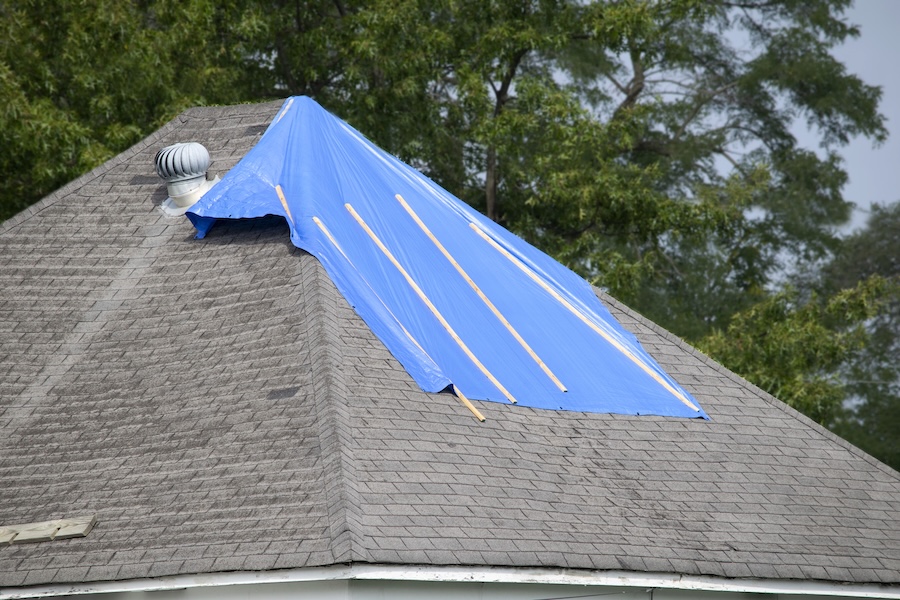
Storms move through our region often. Many of these storms bring heavy rain. Water finds its way into crawl spaces or through small gaps. Flooding keeps the ground saturated.
After a storm, your home may feel damp or smell musty. When you notice the air feels damp or smells musty, you’re catching the early signs of mold growth in your Louisiana home. Pay attention to these clues, even before you spot mold with your eyes.
3. Basements, Attics, and Older Construction
Older homes in East Baton Rouge Parish have unique layouts. For instance:
- Crawl spaces or basements may keep moisture in
- Attics may have poor ventilation
- Newer homes can sometimes have small leaks due to improper construction
Mold thrives in still air. If a corner of your home feels damp or smells off, moisture may already be trapped behind the surface.
How Humidity Leads to Mold Growth
Below are some of the primary ways that humidity leads to mold growth, adding moisture to various parts of your home.
Condensation on Walls and Windows
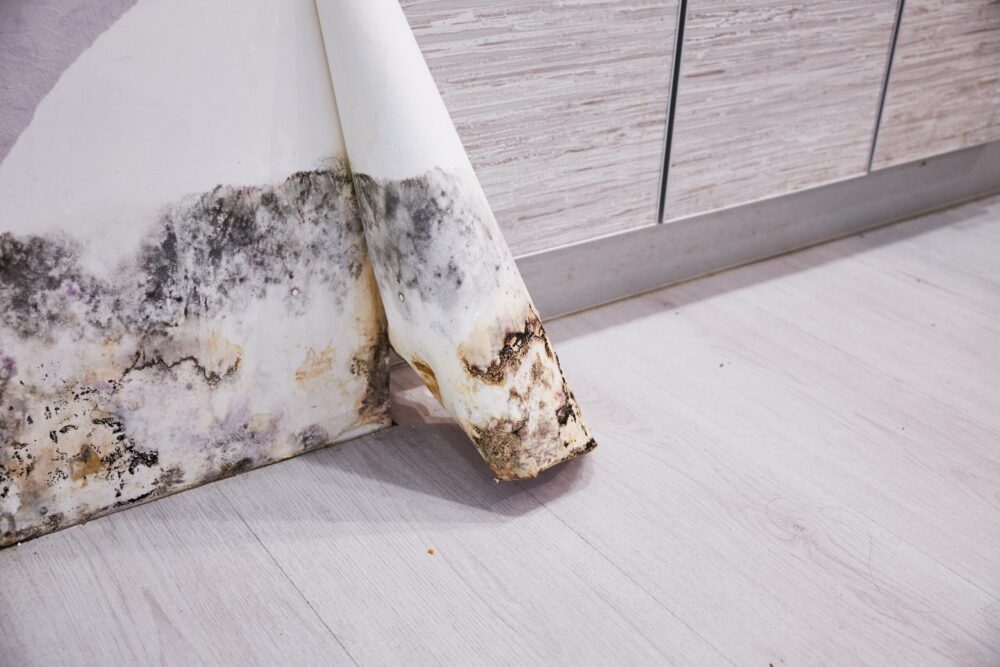
Mold spores need moisture and a surface with organic material. Drywall, wood, and dust provide that surface. When warm, humid air touches a cooler wall or window, water forms. The moisture may look small, but it creates ideal conditions for mold.
With all the humidity in Louisiana, mold often begins growing within just a day of moisture showing up. You may see streaks on windows or damp patches near baseboards. These are early signs that humidity is settling where it should not.
Moisture Build-Up in HVAC Systems
Your HVAC system controls the inside temperature and helps manage humidity throughout your house. If the filter is clogged, moisture lingers inside the unit. Mold can form there and spread through the ducts. Clogged drain lines and broken drain pans can also cause leaks, adding moisture to already-damp spaces like utility closets and crawl spaces.
A musty smell when the air turns on often means mold is present. Regular filter changes can help. If you suspect moisture inside the system, contact professionals who handle water damage restoration. They can check the ducts and locate hidden moisture.
Hidden Mold Behind Walls or Under Flooring
Some mold grows where you cannot see it in places like:
- A pipe may drip behind the drywall
- A roof leak may allow water to settle into insulation materials
- Moisture may build up in the sub-flooring
A hygrometer can help you track humidity. Indoor humidity above fifty percent is a sign to investigate further. If mold is hiding, you can request mold remediation in East Baton Rouge Parish to catch and stop it before it spreads.
Warning Signs Your Home Has a Humidity Problem
You can spot several early warnings when humidity is too high inside your home:
- A musty odor that lingers after rain
- Condensation forming on windows
- Peeling wallpaper or bubbling paint
- Soft or uneven flooring
- Allergies that worsen indoors
- Dark stains along ceilings or vents
If you see these signs, mold may be developing behind the surfaces. Bleach cannot reach mold roots inside porous materials. Complete removal requires addressing both the moisture and the underlying cause.
3 Ways to Reduce Humidity and Prevent Mold
1. Improve Ventilation and Airflow
Good airflow lowers humidity. Several strategies work well in Louisiana homes:
- Use ceiling fans to improve air movement
- Open windows on dry days
- Vent bathrooms and kitchens outdoors
Each of these steps helps keep moisture from settling. If your attic or crawl space feels still or damp, adding vents can prevent moisture buildup.
2. Use Dehumidifiers and HVAC Settings Properly
A dehumidifier in your basement or laundry area keeps humidity under control. Keep indoor levels below fifty percent when possible. Empty and clean the unit regularly. Set your HVAC system to “auto.” This allows the system to remove moisture rather than recirculate it.
Replace filters monthly during humid seasons. An annual system check helps prevent hidden moisture. If humidity remains high, schedule an inspection.
3. Address Leaks or Water Intrusion Quickly
Small leaks create moisture problems. A drip under a sink or a small patch of discoloration near a window may not seem urgent, but it increases humidity. Check your roof after storms. Keep gutters clear so water drains away from your home. Look behind appliances with a flashlight. If stains appear or water pools, you can ask for help with storm damage to prevent mold from forming in the first place.
When to Call Paul Davis for Professional Mold Help
Sometimes mold grows despite your efforts. You may notice large patches forming. You may smell musty odors that return after cleaning. You may see mold reappear in the same area. When this happens, professional help is necessary. A trained team can remove mold safely and locate hidden moisture that keeps returning. You can reach out to Paul Davis for:
- Mold removal based on IICRC standards
- Detailed moisture assessments
- Emergency support at any hour
We both remove the mold and address the conditions that caused it. Paul Davis also provides 24/7 emergency services, including professional dehumidification. Whether you are in Baton Rouge, Prairieville, Denham Springs, Livingston Parish, or Ascension Parish, prompt action keeps mold from spreading.
You don’t need to live with ongoing humidity and mold concerns. Schedule a mold inspection or moisture assessment with Paul Davis. You will learn where moisture settles, how to remove mold, and what steps keep your home dry throughout the year.