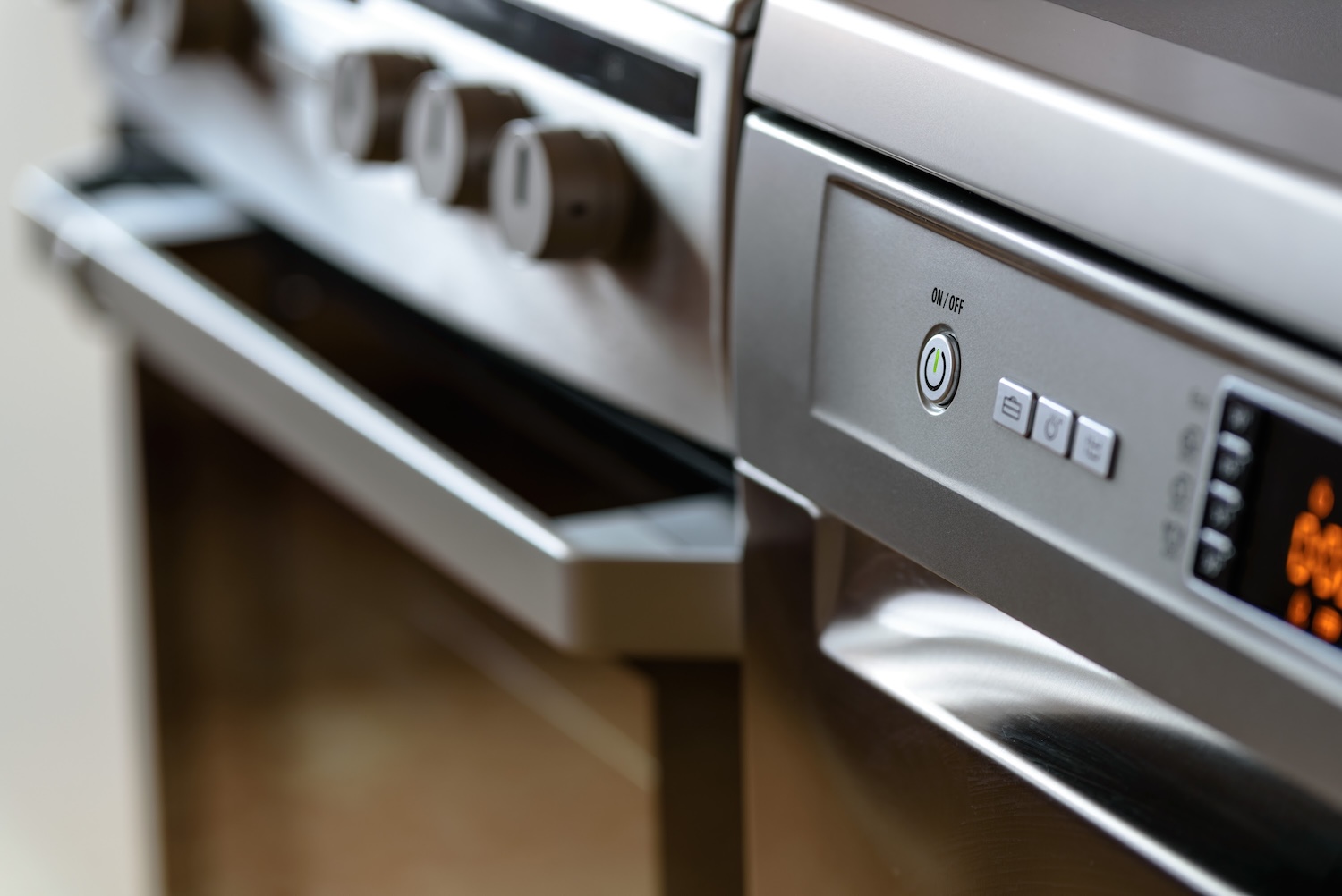
Modern kitchens are smarter and safer than ever. Sleek induction cooktops, compact air fryers, and smart ovens promise precision and control. Digital displays, built-in sensors, and supposed fail-safes make everything feel contained and manageable.
While aimed at improving the cooking experience and minimizing incidents, new technology can create a false sense of safety. Kitchen fires are less common now than they were decades ago, but even small flare-ups can lead to widespread smoke and odor damage.
How Do Fires Spread?
A kitchen fire rarely stays small if no one intervenes. It moves in stages, and each stage leaves behind different types of damage.
- Ignition occurs: Fires often start with overheated oil, grease buildup, or a malfunctioning appliance. Once heat reaches a critical point, the vapors ignite.
- Heat rises: The cabinets above the fire can scorch in seconds. Even if you put out the fire almost immediately, damage in the immediate vicinity is likely.
- Airflow feeds the flames: Open windows, ceiling fans, and HVAC systems introduce oxygen. The added airflow spreads the fire and carries smoke into hallways, bedrooms, and vents.
- Grease particles contribute to the damage: Cooking releases tiny oil droplets into the air, which settle on walls, ceilings, and inside air vents. When exposed to high heat from a fire, these particles can reignite or intensify a small flare-up.
- Flashover risk increases: Once the interior becomes hot enough, combustible materials throughout the room may ignite simultaneously. Known as flashover, this can quickly turn a contained incident into a structure fire.
Newer Kitchen Technology
Today’s kitchens feature more synthetic materials than ever before. Cabinets often include composite woods and laminates. Countertops may feature engineered stone. Appliances contain plastic housings, rubber seals, and digital components.
These materials are generally safe under normal conditions, but problems arise when they overheat or burn. Synthetics produce thicker smoke and stronger chemical odors than wood or metal. The residue they release spreads quickly, clinging to walls and seeping into porous materials. This complicates cleanup and makes odor removal more challenging.
Air Fryers: Small Appliances with Big Fire Potential
Air fryers have surged in popularity recently, promising crispier results with less oil. Their compact design allows them to heat up fast and fit in tight spaces, but the concentration of intense heat in a small, grease-coated chamber may be a recipe for disaster.
Air fryer fires often stay contained inside the unit at first. However, the smoke they produce can be dense and greasy. Residue escapes the appliance and settles on nearby cabinets, countertops, and walls. The odor also tends to linger because grease-based smoke bonds readily to surfaces.
The most common causes of air fryer fires in 2026 include:
- Grease buildup: Old oil and food particles accumulate in the basket or heating element area and ignite during high-heat cooking.
- Overcrowded baskets: Food stacked too tightly blocks airflow and causes overheating.
- Electrical malfunctions: Worn cords or internal component failures trigger overheating or short circuits.
- Placing the appliance too close to the wall: Poor ventilation traps heat and increases the risk of fire.
- Running the unit unattended: Leaving the room allows a minor issue to escalate before anyone notices.
Induction Cooktops: Cleaner Cooking, Different Fire Risks
Induction cooktops heat cookware directly using electromagnetic energy. The surface stays cooler than traditional electric burners, and there’s no open flame, which many homeowners find reassuring.
Induction heat behaves differently from gas or standard electric cooking appliances. It responds quickly to temperature adjustments and can bring oil to its smoke point faster than many people realize. This rapid heating leaves little room for error. After all, overheated oil on a warped or unattended pan can flare up without a flame just as aggressively as on a gas stovetop.
Smoke and Grease Residue: The Hidden Damage Homeowners Don’t Expect
Flames get all the attention, but smoke can cause far more subtle and lasting damage. A quick flare-up in a pan may die down fast, yet smoke and microscopic grease particles float through the air and attach to surfaces throughout the home. Commonly contaminated items include:
- Cabinet doors, interiors, and drawer tracks
- Carpets, rugs, curtains, and upholstery
- Ceilings, walls, studs, and insulation
- HVAC ductwork and air filters
Once smoke and grease particles settle, they continue to release odors. That’s why a kitchen can still smell like smoke days or even weeks after the flames are extinguished.
Standard household cleaners rarely remove smoke contamination completely. Wiping down visible soot addresses only the surface layer. In some cases, improper cleaning spreads residue further or grinds it deeper into the affected materials.
Professional fire damage and smoke damage restoration uses specialized equipment and deep cleaning solutions. This is the only way to effectively neutralize odors and remove contamination at the source.
Common 2026 Kitchen Fire Scenarios We’re Seeing More Often
Modern appliances and distracted cooks create new patterns of kitchen fire damage. Preventing incidents begins with getting to know your appliances and changing your habits:
- Overheated oils: Fast-heating air fryers and induction cooktops heat food and oil more quickly than previous generations of kitchen appliances. Getting distracted, even briefly, can lead to flames and heavy smoke.
- Malfunctioning smart appliances: App-connected ovens and multi-cookers rely on electronic controls and sensors. If a component fails, overheating or sparks can occur without warning.
- Electrical overload: Busy kitchens often run multiple high-powered devices at once. This can overload the circuit and increase the risk of electrical fires.
What Homeowners Should Do Immediately After a Kitchen Fire
The moments after a kitchen fire are crucial. Act quickly to limit the damage and speed up recovery:
- Shut off the power: Unplug the overheating appliance or switch off the affected circuit at the breaker panel. Cutting power stops additional heat buildup and reduces the risk of electrical damage.
- Turn off the thermostat: Prevent the HVAC system from running to limit the spread of smoke, soot, and odor through air vents.
- Avoid disturbing soot-covered areas: Your instinct might be to scrub away soot residue, but without the proper tools, you’ll only push the particles deeper. Leave affected areas untouched until a professional can assess the damage.
- Call a fire and smoke restoration team: With emergency disaster services available 24/7, you can reach Paul Davis Restoration of Baton Rouge any time of day or night. We’ll contact you within 30 minutes of your call and arrive as quickly as possible to evaluate the damage.
For Fires Large or Small, Call Paul Davis
Paul Davis Restoration has been helping families recover from fire and smoke damage since 1966. Our process begins with a thorough assessment, where we identify visible and hidden contamination and create a detailed cleanup plan. We use specialized equipment to remove residue, neutralize odors, and restore affected materials whenever possible. If restoration is not feasible, our reconstruction services can help you get back on your feet.
Contact us today to schedule services for fire and smoke restoration in Baton Rouge, Covington, or New Orleans, LA. We’re ready to respond to kitchen fires, large or small.